A brake pedal that feels soft or “spongy” is your car telling you something is wrong. The pedal travels farther than it used to, the bite comes later, and stopping distances grow. If you notice this change, treat it as a safety issue.
A firm, predictable pedal is the heart of reliable braking, and fixing the cause early protects rotors, calipers, and everyone in the car.
What a “Spongy” Brake Pedal Really Means
Hydraulic brakes are designed to feel solid when you press the pedal. The master cylinder pushes fluid through lines and hoses to each caliper or wheel cylinder, creating an even clamping force. A spongy pedal means the system is compressing something it should not, usually air, moisture, or a flexible component that has begun to swell.
The result is extra travel before the pads grab, and a vague feel that makes it hard to modulate stops smoothly.
Why It’s Unsafe to Ignore
Soft pedals increase stopping distance, especially in panic stops when you need a firm bite right away. Heat from repeated braking can make a marginal pedal worse, because hot fluid with moisture boils sooner and turns to vapor. Vapor compresses easily, which steals more pedal travel at the exact time you need full pressure.
Left alone, the problem can snowball into rotor glazing, pad damage, and uneven wear that adds cost to a repair that started small.
The Usual Culprits
Most soft pedal complaints trace back to one or more of these issues:
- Air in the hydraulic system after a leak or recent work
- Old brake fluid that has absorbed moisture and now boils early
- Rubber brake hoses swelling under pressure, or steel lines seeping
- Caliper slide problems, sticking pistons, or a master cylinder bypassing internally
- Rear drum brake adjustment is out of range, or ABS valves that have trapped air
How Air Gets Into the System
Air can enter through a leaking line, a loose bleeder screw, or during a component change if the system was not bled thoroughly. Even a tiny seep will invite air over time. Air pockets act like cushions, so the pedal moves farther to squeeze them before the pads bite. The fix is to repair the leak, then bleed the system correctly, including the ABS hydraulic unit when the design requires it.
On many vehicles, bleeding order and scan tool commands matter, which is why proper procedure makes such a difference.
Fluid Age, Moisture, and Boiling Point
Brake fluid is hygroscopic, it absorbs moisture from the air through vented reservoirs, hose walls, and service events. As water content rises, the boiling point falls. Hard stops, heat calipers, and fluid quickly, and fluid that has aged two or three years can begin to boil under load. The first sign is a pedal that feels fine cold, then grows soft on a long downhill or during stop-and-go traffic.
Flushing with the correct spec fluid restores boiling margin and protects internal parts from corrosion that moisture causes.
Hoses, Lines, Calipers, and the Master Cylinder
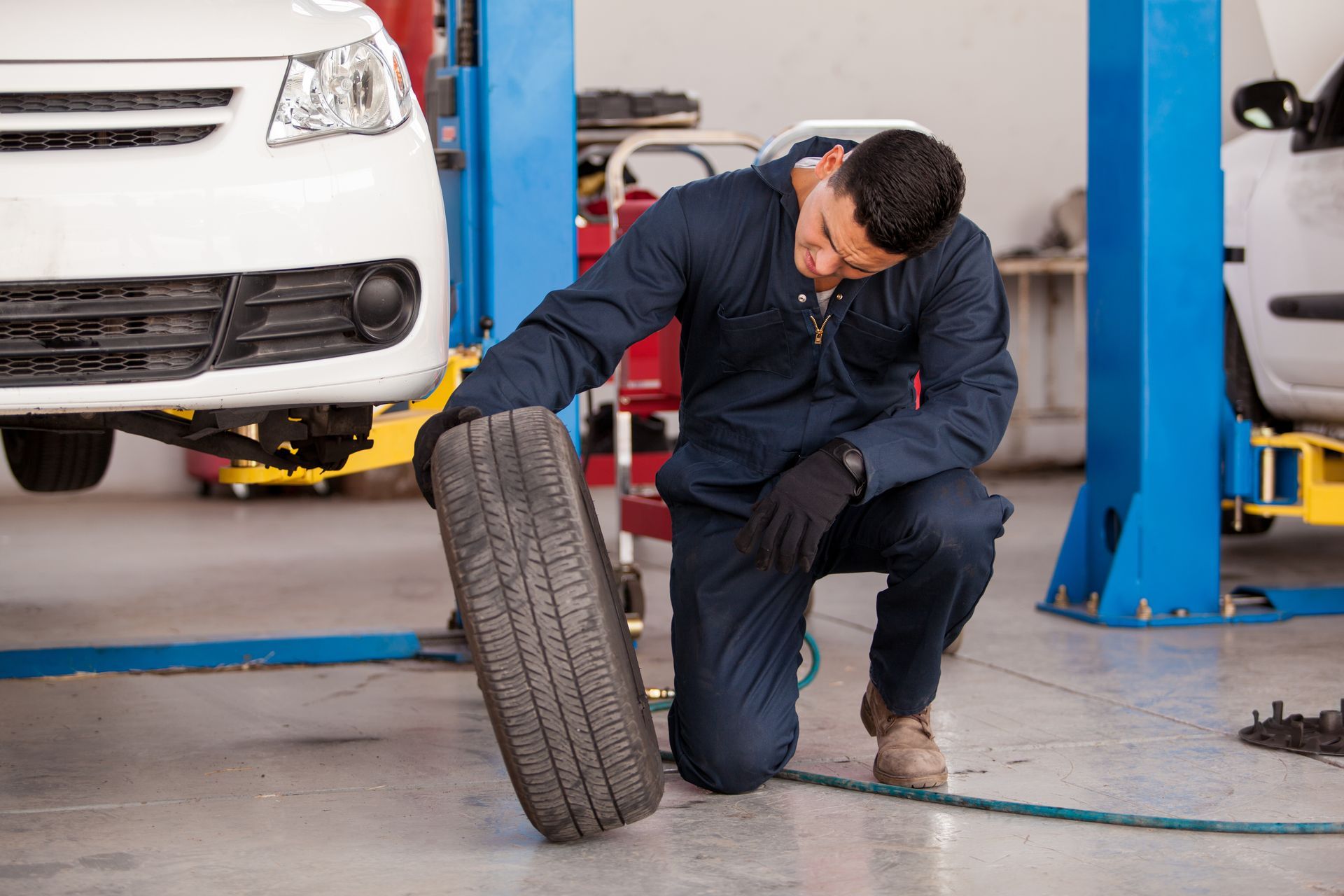
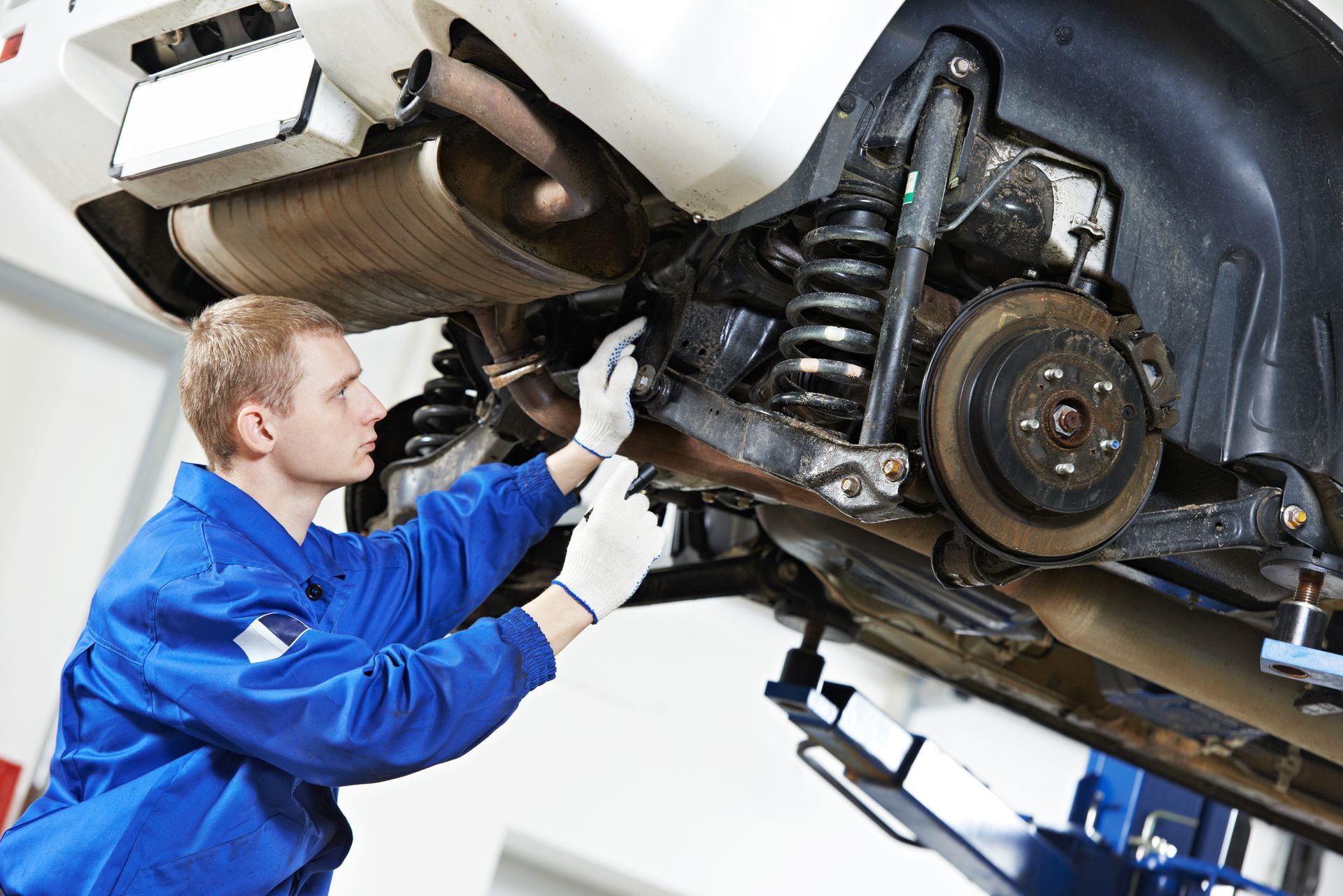
Rubber hoses can balloon with age, especially in heat and coastal climates. When the hose swells, some of your pedal effort goes into stretching rubber instead of clamping pads. Steel lines can corrode and weep at fittings, which introduces both fluid loss and air. At the wheels, sticky caliper slides or a seized piston can force the rest of the system to work harder, creating an uneven feel.
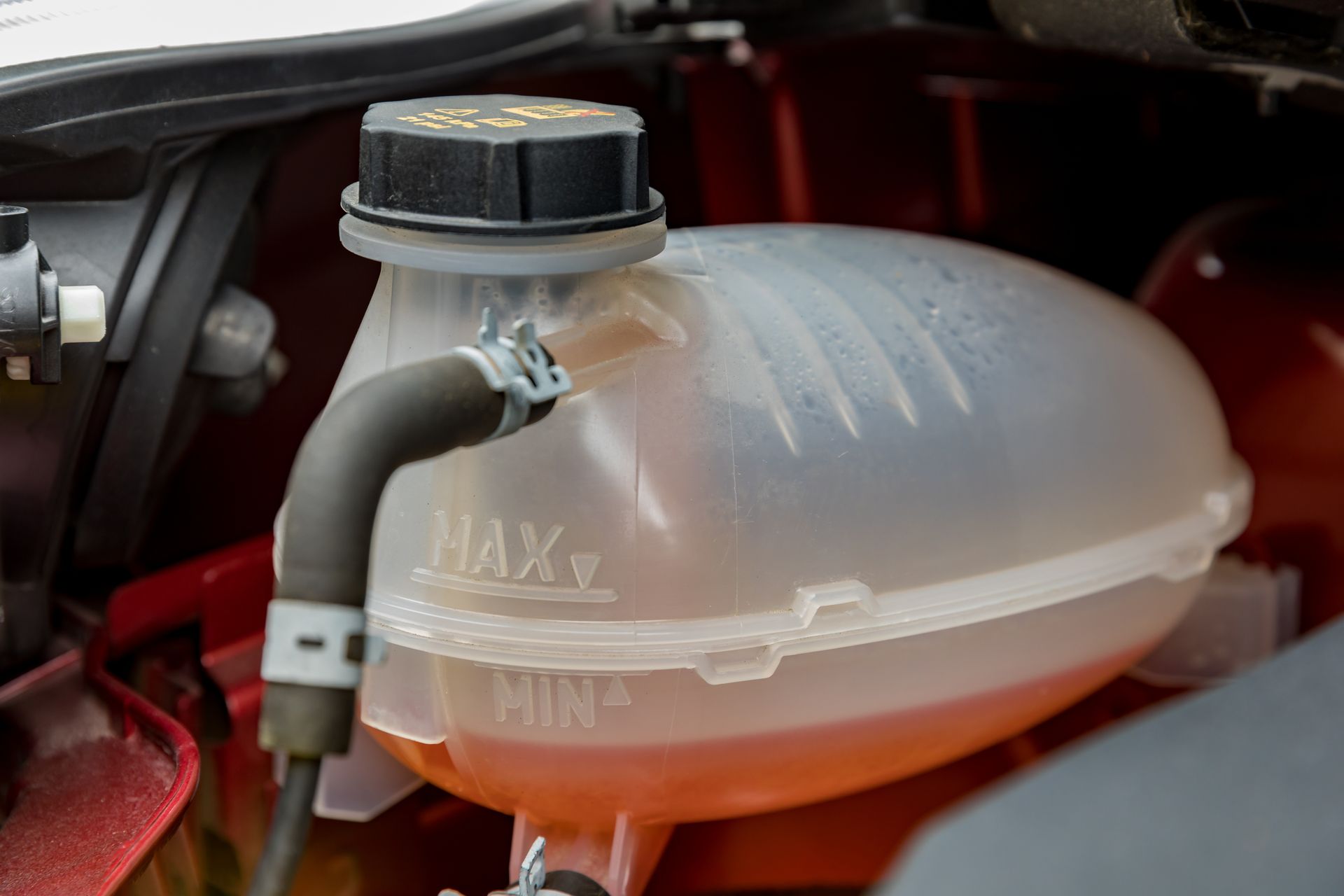
Inside the master cylinder, worn seals can let pressure bypass internally, which feels like a slow sinking pedal at a stoplight. Each of these faults leaves clues in fluid level, pad wear patterns, and how the pedal behaves when you hold pressure.
Drive or Tow? Making the Safe Call
If the pedal goes nearly to the floor, if the brake warning light is on, or if the car pulls hard while stopping, it is safer to tow. A slow change in pedal feel with no warning lights may be drivable to the shop if traffic is light, yet caution helps. Add the following distance, avoid long downhill grades, and plan gentle stops.
Once we repair the cause, we verify the fix with hot and cold road tests so the pedal feels the same at the first stop of the day and the last stop in traffic.
Get Professional Brake Repair in Venice with Curry Truck & Auto
If your brake pedal feels soft, visit our Venice team at any of our three locations. We will pinpoint the cause, flush or repair the system with the correct parts and procedures, and road test the result so you leave with a firm, predictable pedal.
Schedule your inspection today and stop with confidence on every drive.
Returning to Venice After Your Car Sat for the Summer? 7 Things to Check Before Driving It Every Day