A truck that vibrates only under acceleration can be frustrating because it seems to come and go on command. Press the gas, and the shake shows up. Let off the pedal, and the truck settles down. That pattern is useful, though, because it tells us the vibration is connected to the load.
When a truck accelerates, the engine, transmission, driveshaft, axles, mounts, and suspension all experience increased forces. When you coast, that load drops. So if the vibration disappears as soon as you lift off the throttle, the cause is usually hiding somewhere in the parts that transfer power to the wheels.
Driveshaft Problems Are A Common Cause
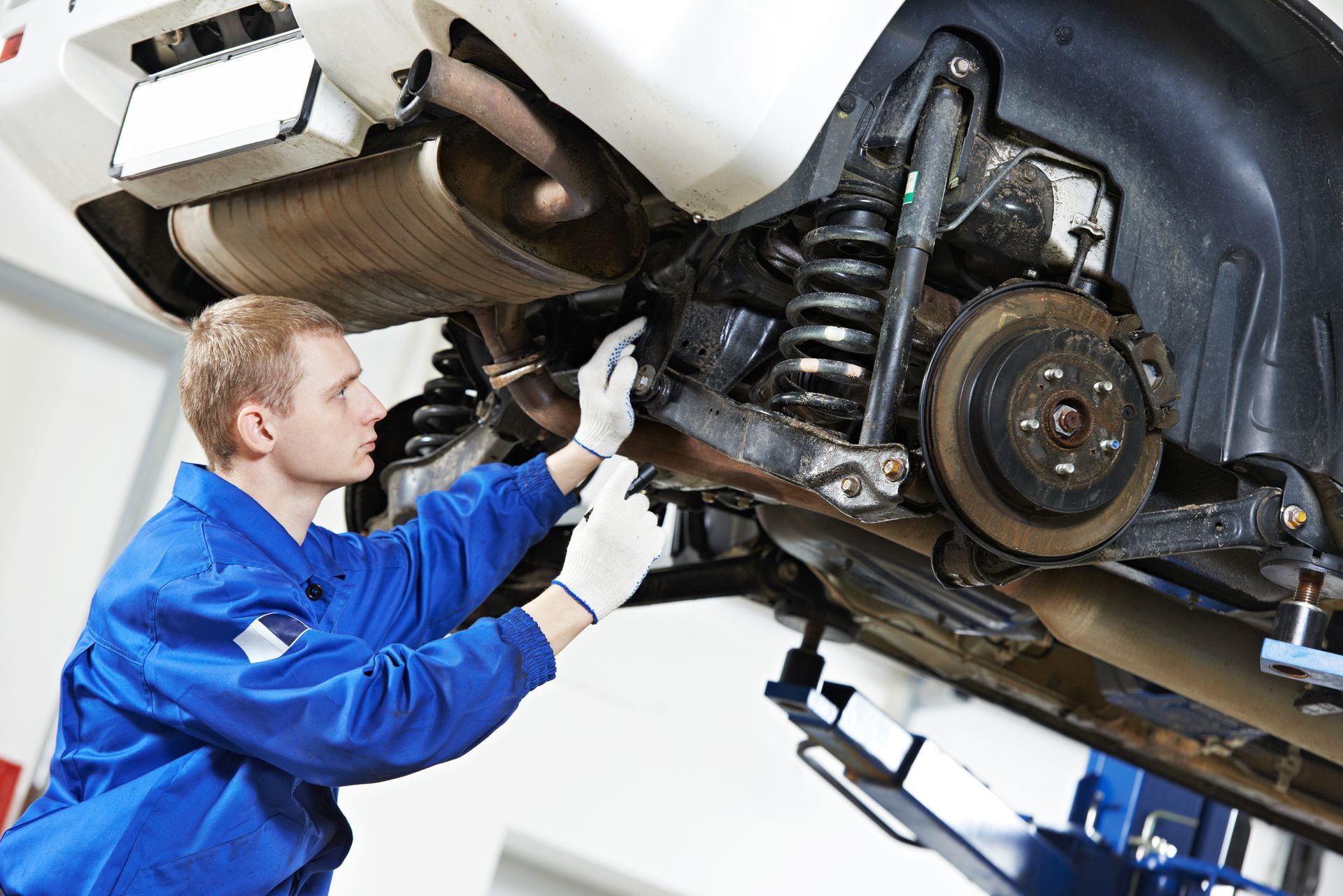
Many trucks use a driveshaft to send power from the transmission or transfer case to the rear axle. If the driveshaft is bent, out of balance, dented, or misaligned, it can vibrate under acceleration. The shake may be felt through the floor, seat, or center of the truck.
A driveshaft vibration can become more noticeable at certain speeds. It may feel mild around town, then stronger on the highway. If the truck has been lifted, used for towing, driven off-road, or had recent drivetrain work, the driveshaft angle and balance should be checked closely.
Worn U-Joints Can Shake Under Load
Universal joints, also called U-joints, allow the driveshaft to rotate as the suspension moves. They also handle a lot of twisting force when the truck accelerates. When a U-joint wears out, dries up, or develops play, it can create vibration, clunking, or a rough feeling under load.
A worn U-joint may also make a clunk when shifting from park to drive or reverse. Rust-colored dust around the joint can be another clue. If a U-joint fails completely, the driveshaft can come loose, so this is not a part to ignore once symptoms start.
Engine Or Transmission Mounts Can Shift
Engine and transmission mounts hold heavy parts in place while still absorbing vibration. When a mount cracks, collapses, or separates, the drivetrain can move too much when torque is applied. That movement can create a shake that appears during acceleration and fades when coasting.
Bad mounts can also cause thumps during gear changes, roughness at idle, or a feeling that the engine shifts when you press the gas. On trucks, mounts work hard because the vehicle is heavier and may be used for towing, hauling, or stop-and-go driving. A careful inspection can determine whether the vibration is caused by movement rather than a rotating part.
Axle And CV Joint Issues
Some trucks and SUVs use CV axles, especially in the front drivetrain. A worn inner CV joint can cause vibration during acceleration. It may not click during turns like an outer CV joint, which makes it easier to miss.
The shake can feel like it comes from the front floor or steering area, especially when accelerating from a stop or climbing a hill. Torn boots, grease loss, joint wear, or axle imbalance can all be involved. If the truck is four-wheel drive or all-wheel drive, the front driveline should be checked along with the rear.
Tires Can Still Be Part Of The Story
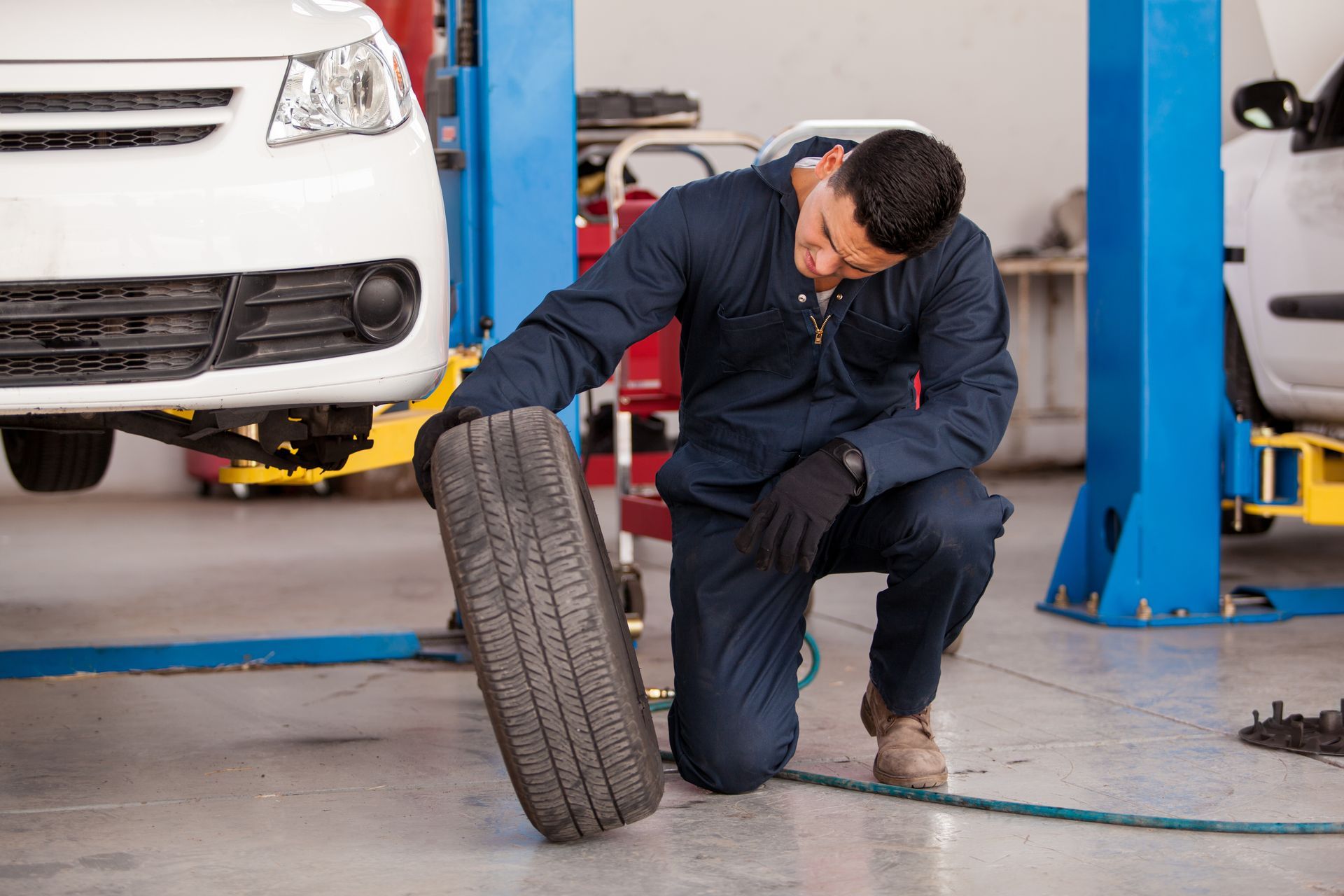
Tire balance problems usually show up at certain speeds, whether you are accelerating or coasting. Still, tires should not be ruled out too quickly. Uneven wear, separated belts, bent wheels, or tires that are out of round can feel worse when the truck is under load.
A tire problem may also combine with another issue. For example, a slightly worn suspension part can make a tire vibration feel stronger during acceleration. Tire pressure, tread wear, wheel balance, and wheel condition should be checked before assuming the drivetrain is the only cause.
Transmission Or Torque Converter Trouble
A vibration during acceleration can sometimes come from the transmission or torque converter. A torque converter shudder may feel like driving over a rough strip in the road. It may happen during light acceleration, at certain speeds, or when the transmission is trying to lock the converter.
Old fluid, low fluid, internal wear, software concerns, or pressure problems can all affect how the transmission behaves. If the vibration is accompanied by slipping, delayed or harsh shifts, or a burning smell, the transmission needs attention soon. Regular maintenance helps keep fluid condition on track, but symptoms still need testing.
Why Coasting Changes The Feeling
Coasting removes much of the load from the drivetrain. The wheels are still turning, but the engine is no longer pushing hard through the transmission, driveshaft, axles, and mounts. That is why a vibration that disappears while coasting points toward parts that react to torque.
That does not give one single answer. It narrows the search. A road test can help confirm when the vibration occurs, whether it changes with speed or engine rpm, and whether it appears in one gear or several. Those details help separate tire issues from driveshaft, mount, axle, or transmission concerns.
Get Truck Vibration Repair In Venice, FL, With Curry Truck & Auto
If your truck vibrates only when accelerating, Curry Truck & Auto can inspect the driveshaft, U-joints, mounts, axles, tires, wheels, and transmission at our three locations in Venice, FL.
Returning to Venice After Your Car Sat for the Summer? 7 Things to Check Before Driving It Every Day