A truck that won't change gears can feel stuck, sluggish, or suddenly short of pulling power. Sometimes it stays in a limited gear as a protective response. Other times, engine speed rises while the truck barely accelerates. Those complaints lead to different checks.
At Curry Truck & Auto, we begin with what the truck is doing, when the problem appeared, and the information stored in its controls. The cause might involve electrical signals, fluid pressure, or internal components. Finding that cause gives the repair a clear direction before parts are ordered.
Transmission Fluid Problems and Failed Shifts
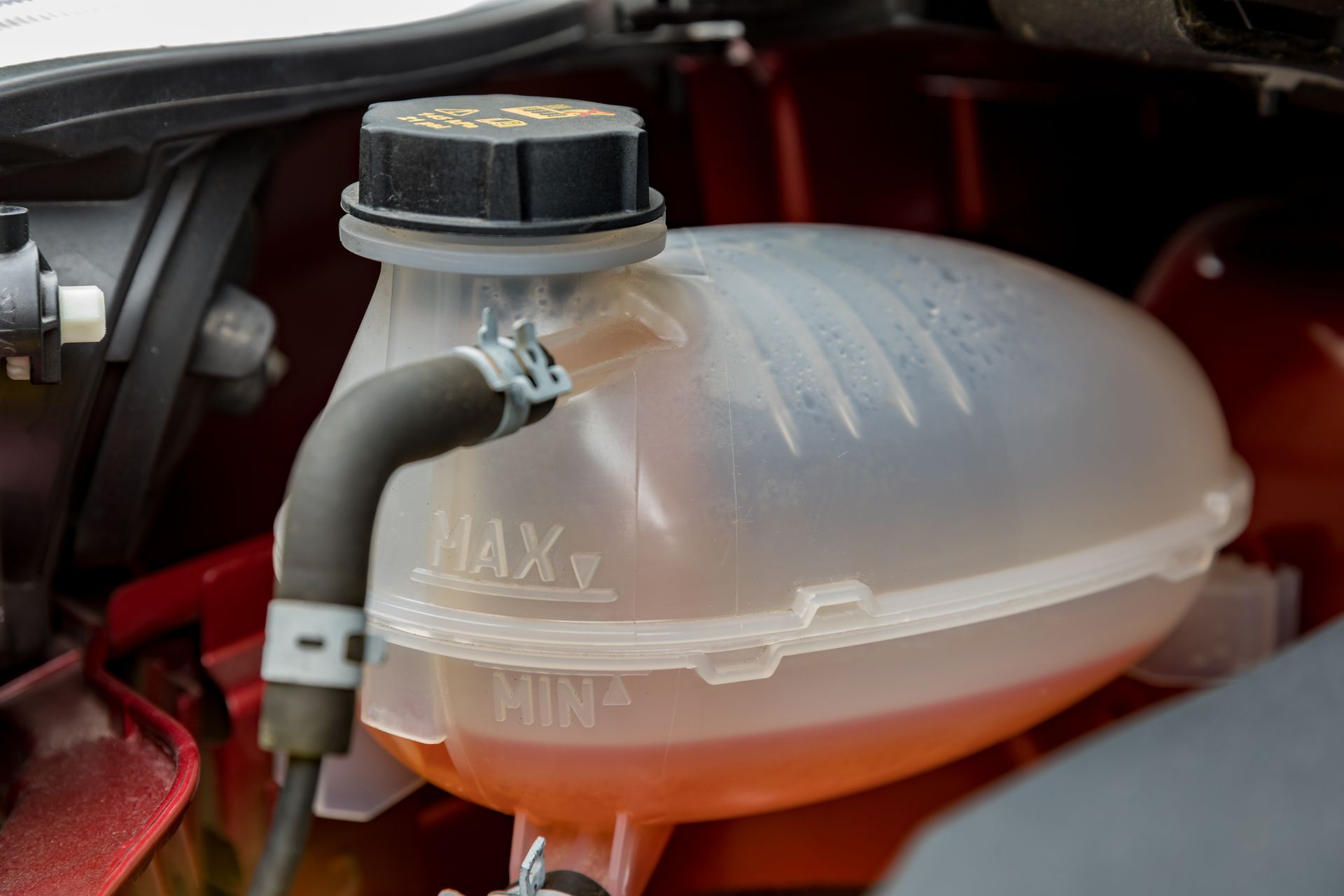
Automatic transmissions use fluid to lubricate, cool, and operate hydraulically. A leak or poor fluid condition interferes with these functions. Low fluid can produce delayed engagement, slipping, or unreliable gear changes.
Fluid checking procedures differ by transmission. Some units require a specific temperature and service method rather than a simple dipstick reading. We check the level and condition using the truck's instructions and inspect for the reason the fluid has been lost.
Adding fluid without locating a leak leaves the problem developing. Likewise, routine fluid service is a different job from repairing internal wear. We connect the findings with the work being recommended so you understand what the service is expected to solve.
Electrical Controls That Affect Transmission Shifting
The transmission controller uses information about speed, load, temperature, and driver input to choose a gear. Missing or incorrect signals disturb that process. Some faults trigger a limited operating mode to protect the system.
We read stored codes and review live information, then check the circuits and components involved. A code that mentions a sensor points us to that part of the system. We still need to test the connector, wiring, power supply, and actual signal before replacing anything.
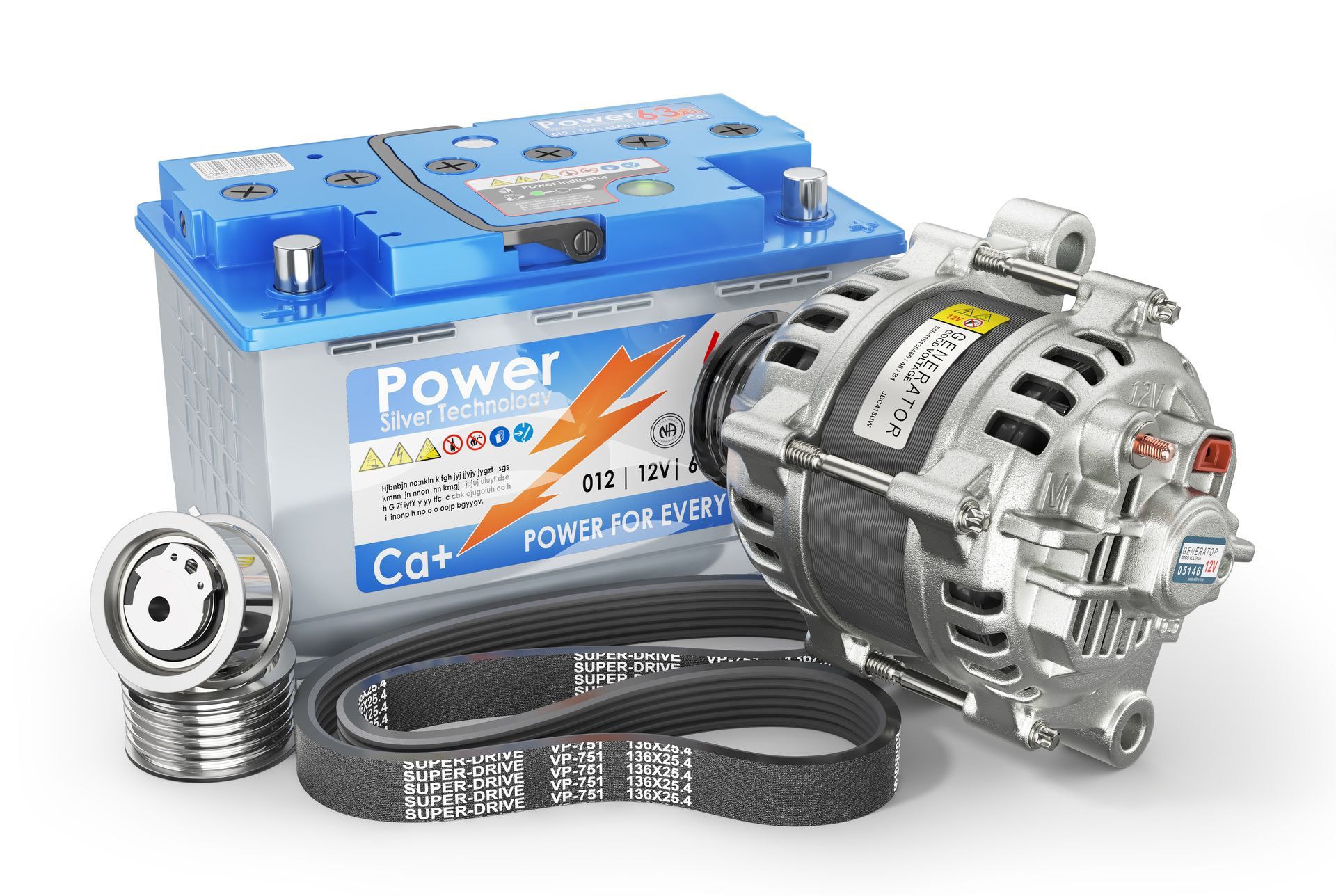
Low system voltage is another useful starting point when several warnings appear together. A charging or battery problem affects more than the transmission. Testing the power supply keeps a broader electrical fault from becoming a series of unnecessary control-module replacements.
Shift Solenoids and Hydraulic Pressure
Solenoids help control fluid movement inside the transmission. Their electrical commands and the hydraulic response must agree for a shift to happen properly. A failed circuit, sticking valve, or pressure problem changes how the unit engages its clutches.
The checks depend on the design and earlier findings. We compare commanded operation with the truck's response and use pressure or circuit tests where the procedure calls for them. A valve body repair requires a different plan from a wiring repair outside the assembly.
Contamination also deserves attention. Debris from internal wear can affect valves and other components. Repairing the immediate symptom while leaving a source of contamination untreated risks another problem after the truck returns to use.
Internal Transmission Wear and Slipping
Friction components hold and release to create the required gear ratios. When they wear or lose the pressure needed to engage, the engine may rev without the expected increase in road speed. Continued slipping produces additional heat and wear.
Damaged gears, bearings, or other internal parts can also interfere with operation. Fluid findings, abnormal noises, test results, and the truck's response help determine whether the unit needs internal inspection.
If the transmission loses drive, slips badly, or leaks substantially, stop using the truck and arrange help. Towing a load while the unit is struggling increases demand at a time when it already needs attention.
When a Truck Won't Shift Out of Park
Being stuck in park is a separate complaint from failing to shift while moving. The brake-shift interlock, selector mechanism, brake switch signal, or related electrical supply may be involved.
Check for messages and follow the owner's manual if it describes an approved emergency release. Keep the vehicle secured against movement. Forcing the selector risks damaging the mechanism and doesn't address why the normal release failed.
Tell us whether the truck is stuck in park, won't engage drive, or refuses to change gears on the road. That distinction helps us plan the first checks and discuss safe transport if the vehicle is immobilized.
Information That Helps With Transmission Testing
Useful details include:
- Whether the problem begins cold or after driving
- Which gear changes feel delayed or harsh
- Whether engine speed rises without acceleration
- Any transmission, engine, or charging warning
- Recent fluid service or visible leakage
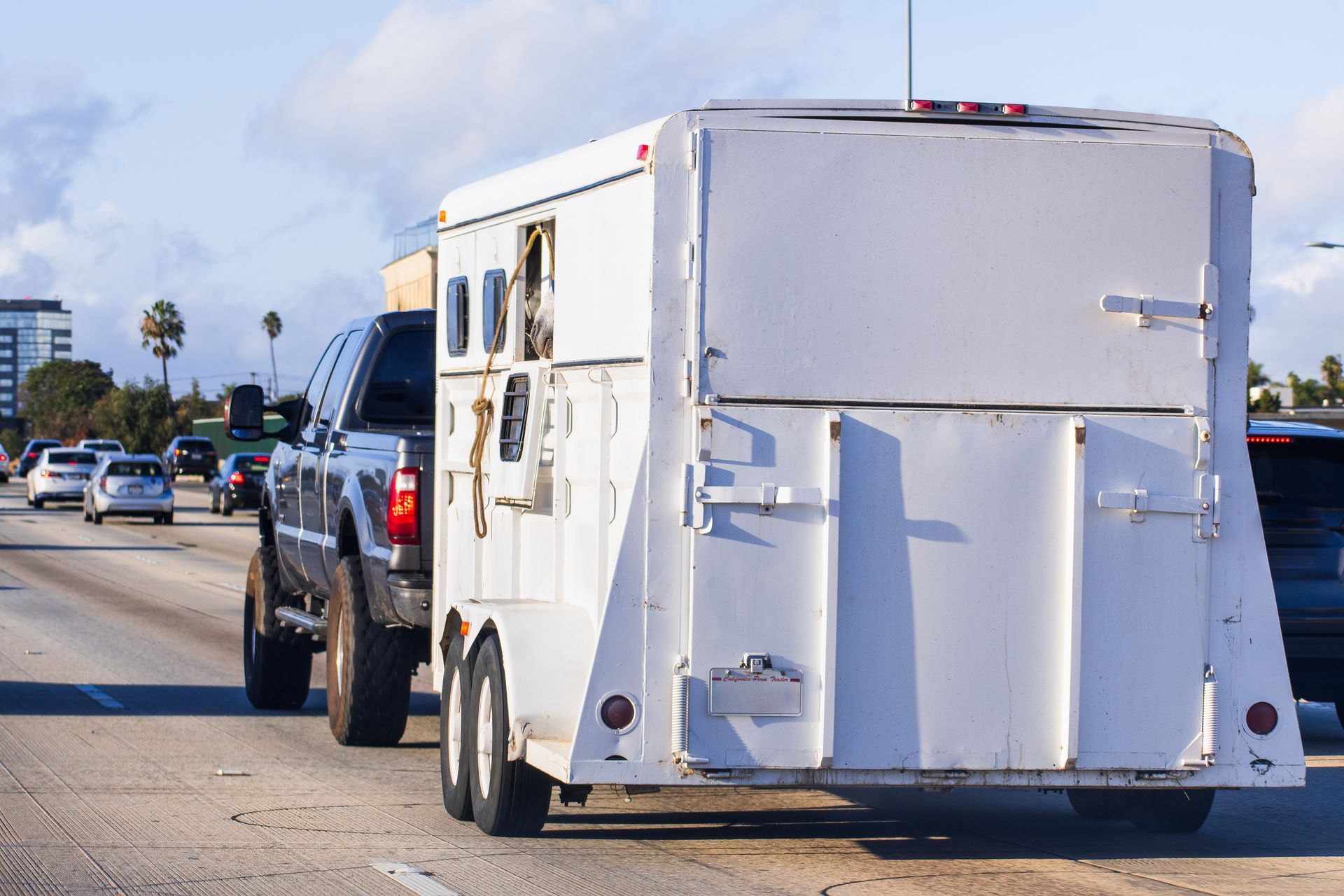
- Whether the truck was towing or heavily loaded
Bring previous repair records and describe how the truck is normally used. A work truck carrying tools all day and a lightly used pickup experience different loads. The exact transmission and operating history help us choose the right procedures.
Checking Transmission Operation After Repair
After the repair, we verify operation under the conditions that caused trouble. That might include a temperature-dependent check, required setup procedures, and a suitable road test. The final review also covers fluid level and any repaired leaks.
Keep the invoice and follow-up instructions with your service history. If another shifting symptom appears, note its timing and behavior. Clear records help distinguish a new concern from the original problem and make the next visit more efficient.
Truck Transmission Repair at Curry Truck & Auto
Curry Truck & Auto serves drivers through 3 locations in Venice, FL. We can review a truck that won't shift, inspect the affected systems, and explain the repair options. Before bringing it in, let us know about slipping, fluid loss, or a truck that can't move safely.
Call
Curry Truck & Auto to arrange transmission testing and discuss the service your truck needs.
Returning to Venice After Your Car Sat for the Summer? 7 Things to Check Before Driving It Every Day