A car can look perfectly fine after sitting for a few months and still need attention before it goes back into daily use. Florida heat, humidity, afternoon storms, and long periods without driving can affect the battery, tires, brakes, fluids, and even areas where small animals decide to make themselves comfortable.
The first drive back shouldn’t be the test. Before jumping into normal errands and highway trips around Venice, it’s worth checking a few things that can change while a vehicle sits.
1. Check the Battery Before It Leaves You Stranded
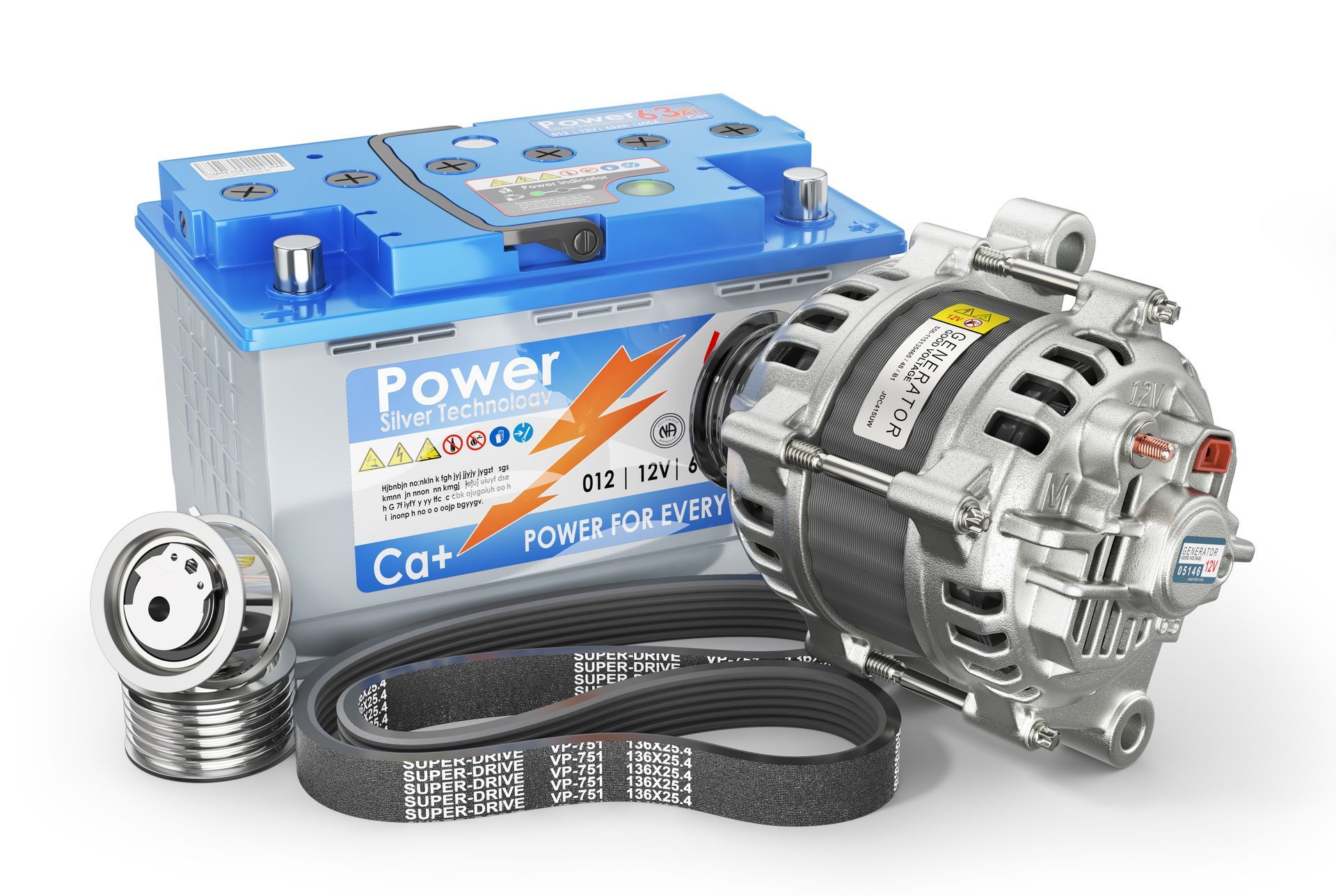
A battery slowly loses charge even when the car isn’t being driven. Modern vehicles also keep several modules powered in the background, so a marginal battery can be noticeably weaker after sitting through the summer.
If the engine cranks slowly, the interior lights dim during startup, or you need a jump to get the car going, don’t assume one drive will fix it. A battery can accept enough charge to start again and still have poor reserve capacity. We like to test the battery and charging system together, especially if the battery was already a few years old before the car was parked.
2. Set Tire Pressure and Look Beyond the Outer Tread
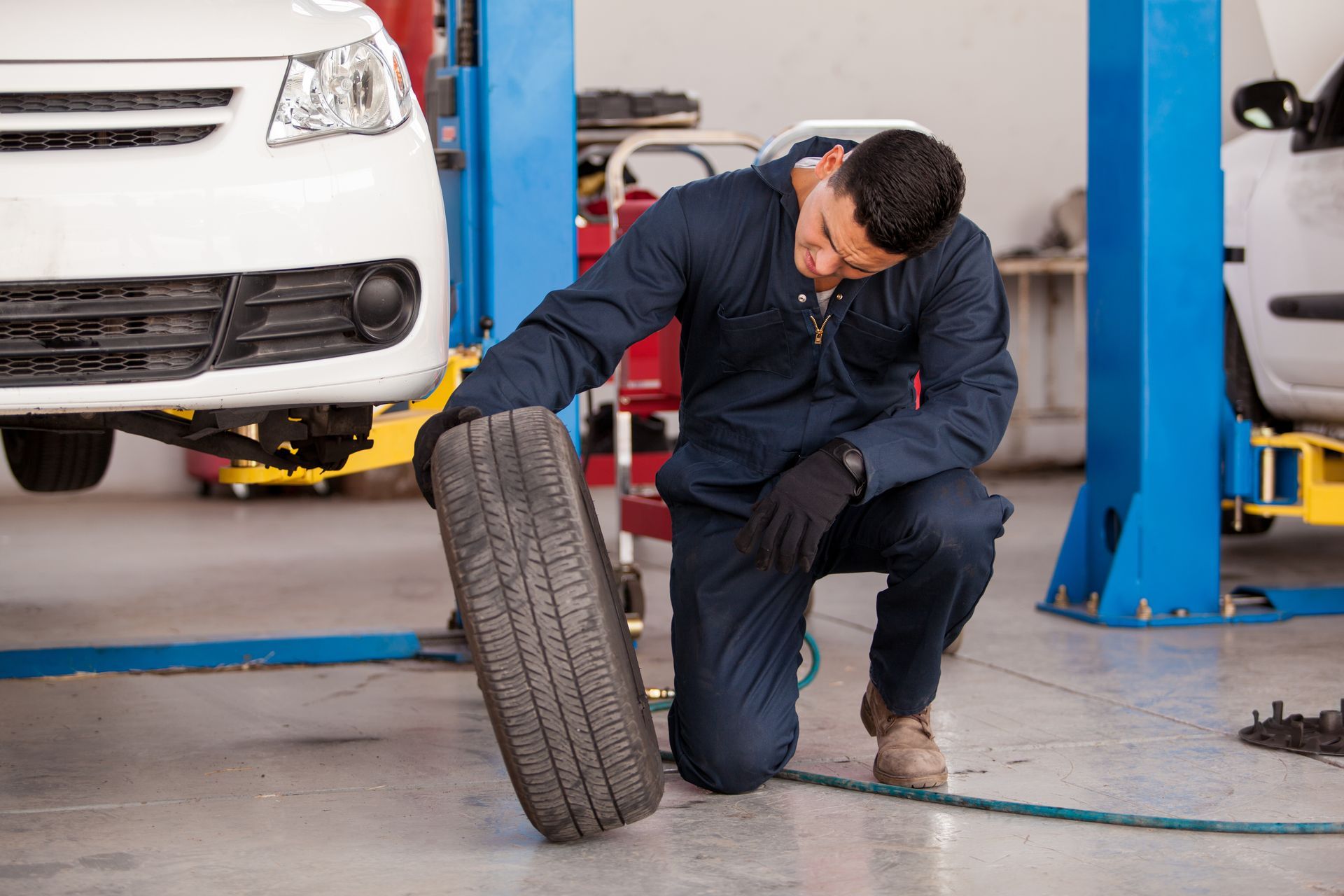
Tires lose air while sitting, and pressure changes with temperature. Check all four tires cold and set them to the pressure listed on the vehicle label, not the maximum molded into the tire sidewall.
Then look for more than low pressure. A vehicle parked in the same position for months can develop temporary flat spotting, which may cause vibration during the first few miles. That often improves as the tires warm up. A vibration that stays, a sidewall bulge, cracking, or a tire that keeps losing pressure needs a closer look.
We also check the inner tread. That part is easy to miss while the car is sitting in a driveway.
3. Expect Some Brake Rust, but Know What Isn’t Normal
Brake rotors can develop surface rust surprisingly fast in Florida humidity. After several months, the first few stops may sound rough or feel slightly gritty as the pads clean the rotor surfaces.
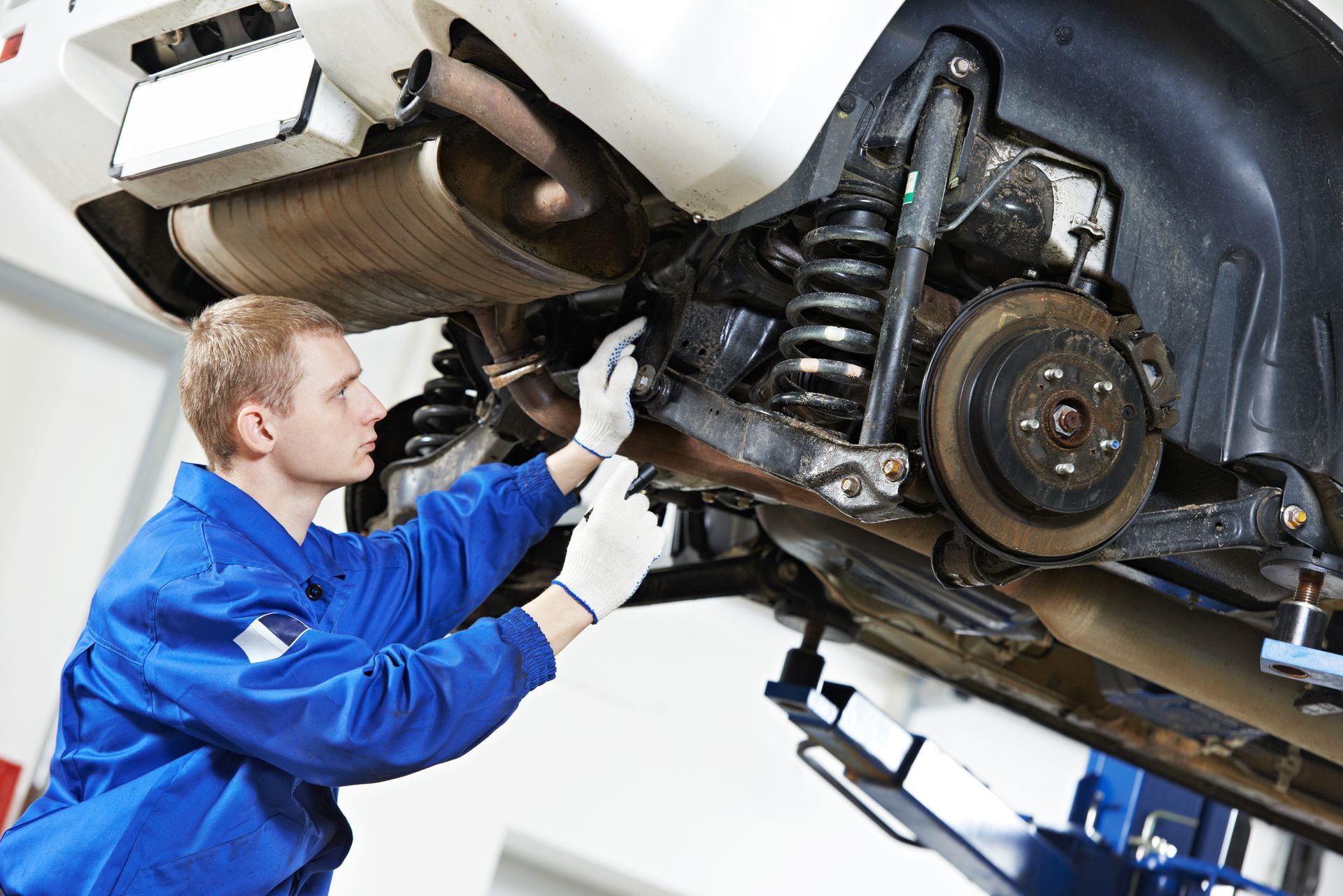
Light surface rust often clears quickly. Heavy grinding, a steering-wheel shake, pulling during braking, or one wheel that seems to stay hot is different. A caliper or parking brake component can stick while a vehicle sits, especially if corrosion was already developing.
If the brake pedal feels soft or travels farther than you remember, have the system checked before returning to normal traffic.
4. Look Under the Car Before Starting It
A dry parking spot can tell you plenty. Before moving the vehicle, look underneath for coolant, engine oil, transmission fluid, or other fresh spots that weren’t there before.
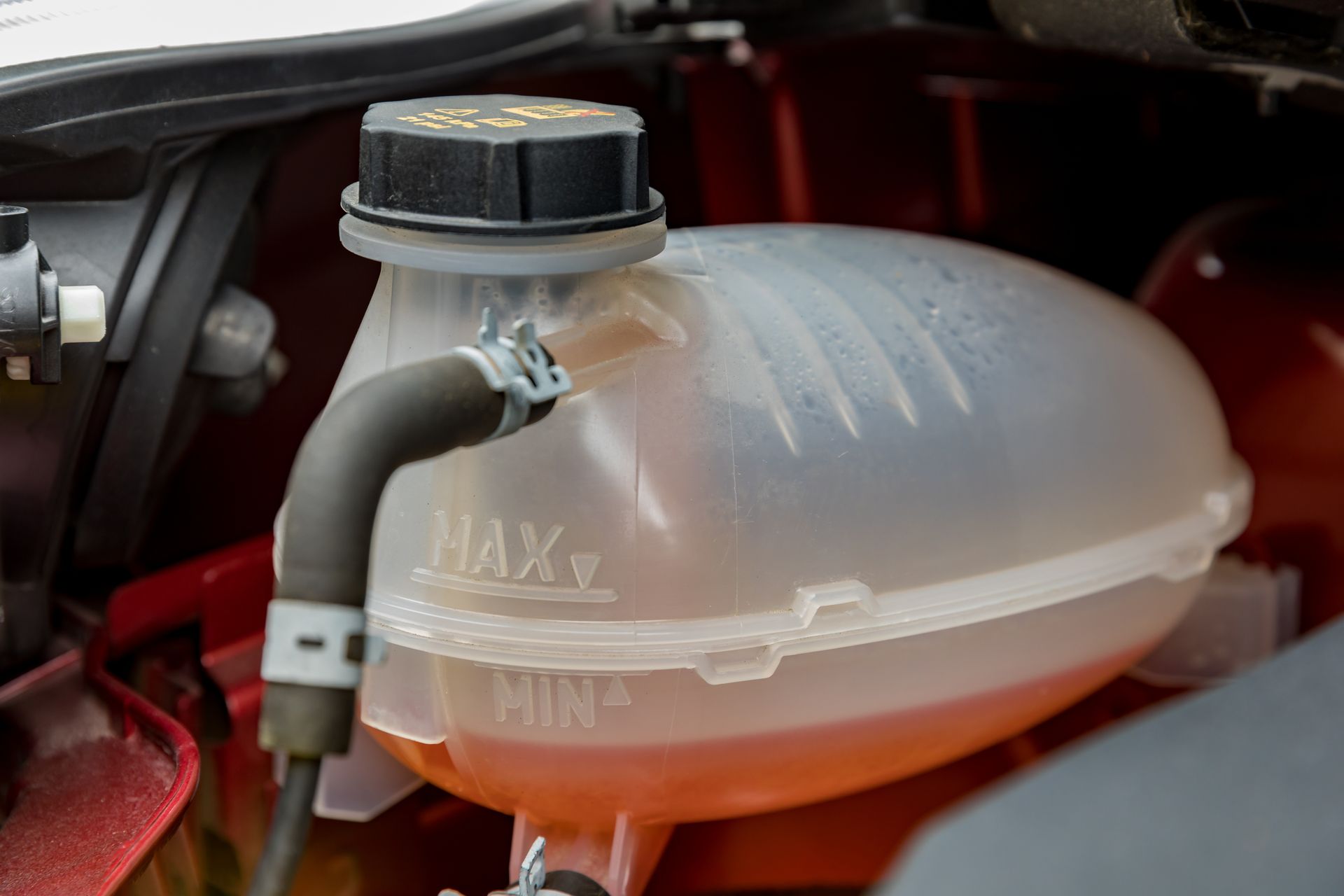
Seals and hoses don’t always start leaking because a car sits, but a small seep can become more obvious after months in one place. Check fluid levels as well. A low coolant reservoir, low engine oil, or another dropped fluid should prompt you to find the source, not just top it off and forget it.
Regular maintenance records are useful here because they tell us what was already being watched before the vehicle was stored.
5. Check for Rodent or Insect Damage Under the Hood
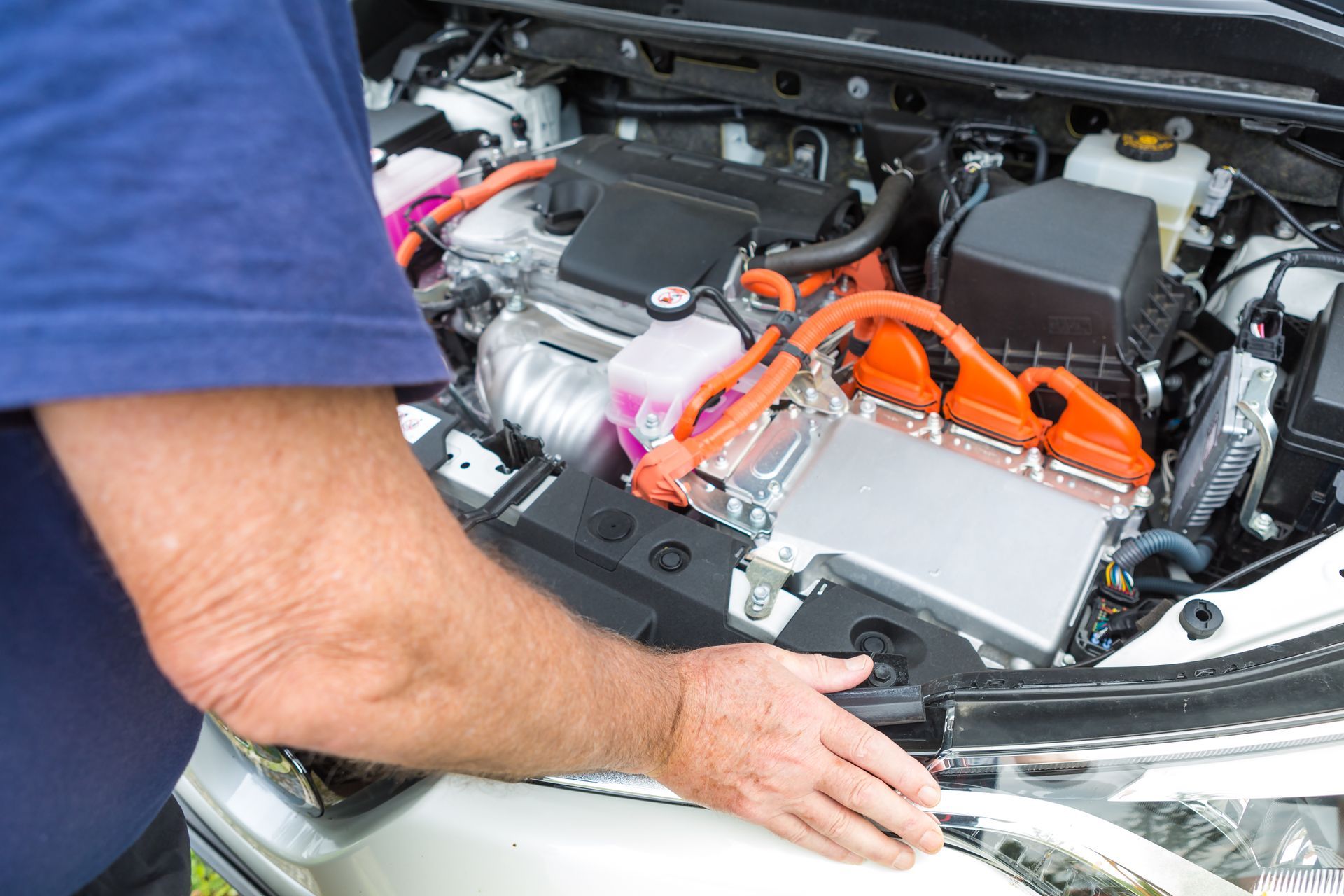
A parked engine bay offers shelter, and we occasionally find evidence that something moved in while the owner was away. Leaves, nesting material, droppings, food debris, or chewed insulation deserve attention before the engine runs for long.
Wiring damage is the bigger concern. Rodents can chew through sensor wiring, ignition wiring, or harness insulation and leave behind problems that don’t appear until the vehicle warms up or starts vibrating on the road.
The engine air filter housing and cabin air filter area are worth checking too. A nest packed into an intake can restrict airflow, while debris around the cabin filter can create odors when the A/C is switched on.
6. Make Sure the A/C Still Cools Properly
After a Venice summer, the first thing many drivers reach for is the A/C. Let it run long enough to see how it behaves both while parked and while driving.
If the air is cold on the road but becomes warmer at stoplights, the problem may involve condenser airflow or cooling fan operation. Weak airflow from the vents can point to a dirty cabin filter or a blower issue. A system that worked before storage but now blows warm may have developed a refrigerant leak while the vehicle was sitting.
A short road test can reveal far more than simply turning the A/C on in the driveway.
7. Pay Attention During the First Real Drive
Once the basic checks are done, take the vehicle on a normal drive before depending on it every day. Listen for new rattles, wheel-bearing noise, brake scraping, belt noise, or suspension clunks. Watch the temperature gauge and dashboard warning lights.
Notice how the steering feels and whether the car tracks straight. If it shakes at only one speed, pulls during braking, or develops a warning after several miles, those details help during an inspection. Problems that appear only once the vehicle is hot are easy to miss during a quick garage startup.
Get Post-Storage Vehicle Inspection In Venice, FL, With Curry Truck & Auto
If your car spent the summer parked, Curry Truck & Auto can check the battery, tires, brakes, fluids, A/C, belts, filters, and other areas at our three Venice, FL, locations before you return to daily driving.
Contact us to schedule a post-storage check and make sure the car is ready for regular use again.