The temperature gauge climbs above its normal position, or a warning message tells you the engine is too hot. That's not the time to gamble on reaching the next exit. An overheating engine risks expensive internal damage, and opening a hot cooling system creates a serious burn hazard.
Once the vehicle has been brought to a safe stop, the next question is what caused the temperature to rise. A radiator problem is only one of several possibilities worth investigating.
What to Do When the Engine Temperature Warning Appears
If the warning indicates serious overheating, pull over as soon as it is safe and shut the engine off. Steam, a strong coolant smell, or rapidly increasing temperature calls for immediate action. Never remove the radiator cap or pressurized coolant reservoir cap while the engine is hot. Escaping steam and liquid under pressure cause severe burns. Arrange a tow if you're unsure the cooling system is working.
Even if the gauge settles back toward normal after stopping, coolant loss or circulation failure remains a concern. Continuing to drive risks turning a repairable hose or fan fault into major engine damage. We want to know how quickly the temperature rose, how the vehicle was being driven, and what the dashboard displayed. Those details help guide the inspection after the system has cooled safely.
Low Coolant and Hidden Cooling System Leaks
A low coolant level reduces the system's ability to absorb and move heat. Leaks develop at hoses, clamps, radiator seams, water-pump seals, heater connections, or expansion tanks. Some leave a puddle after parking. Others evaporate on hot parts and never reach the ground, leaving a faint odor or dried residue as the only visible clue.
Does the reservoir seem low again a few days after someone topped it off? That is a reason to look for a leak, not to keep adding coolant indefinitely. Once the system cools, we inspect likely leak points and perform pressure testing where indicated. A cooling system that repeatedly loses coolant needs the source identified before another long drive.
Radiator Restrictions and Poor Heat Transfer
The radiator releases engine heat into the passing air. Dirt and debris across its outer fins restrict airflow, while corrosion or internal deposits interfere with coolant flow through its passages. A damaged radiator cap or expansion-tank pressure control affects boiling protection as well. The correct coolant mixture and type are important because cooling capacity and corrosion resistance depend on the fluid the manufacturer specified.
We inspect the radiator for external damage, leaks, and signs of blockage. Flushing a system does not repair a cracked tank or restore a radiator with severe internal deterioration. A new radiator isn't the answer to every overheating symptom either. We compare temperature behavior, coolant circulation, and surrounding components before deciding which repair is justified.
Radiator Fans, Thermostats and Water Pumps
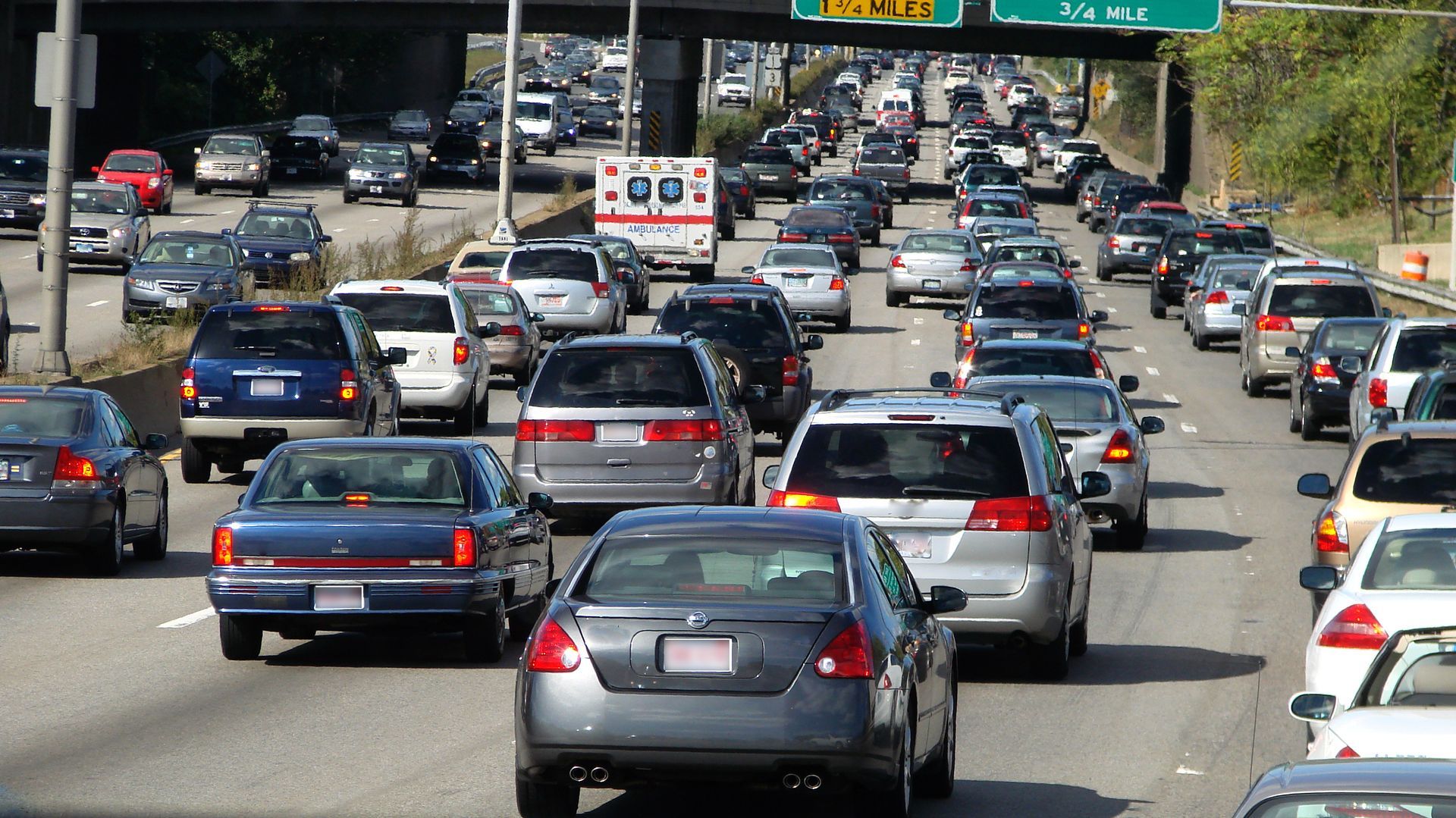
Electric cooling fans usually do more work when the vehicle is moving slowly or idling, since little air passes through the radiator on its own. If the engine overheats in traffic but cools down on the road, fan operation and airflow become important clues. A stuck thermostat restricts coolant circulation, while a failing water pump or its drive mechanism reduces flow. Air trapped in the system after a repair creates additional problems.
Some vehicles use several fans, variable-speed control, or electronically operated pumps. We check the actual operation against the design used on that model. Does the fan operate only when the A/C is selected? That observation does not establish that every fan speed and temperature command works properly. Reliable testing brings the symptom, operating data, and physical inspection together.
Why Cooling System Pressure and Proper Bleeding Are Important
Cooling systems operate under controlled pressure to raise the coolant's boiling point. A damaged cap, leaking expansion tank, or weak connection can let the system lose that protection before a large puddle forms. A pressure test helps locate small leaks once the engine has cooled. The cap itself needs to match the vehicle's specified rating and design.
Air pockets become another concern after the coolant has been drained for repairs. Depending on the engine layout, trapped air can interrupt circulation or cause a temperature sensor to read an unrepresentative pocket. Correct filling sometimes requires a vacuum-fill tool, bleed procedure, or model-specific steps. A vehicle that began overheating immediately after cooling-system work needs those details reviewed, not another thermostat installed by guesswork.
How Coolant Service Fits Into an Overheating Repair
Coolant loses some of its corrosion protection over time, and contamination or mixing incompatible types creates further trouble. The manufacturer's coolant specification and replacement interval are the starting points. A routine flush helps keep the system healthy when service is due, but it won't fix a failed thermostat, leaking head gasket, or damaged radiator.
During the inspection, these details help narrow the fault:
- Temperature rises mainly at idle or in traffic
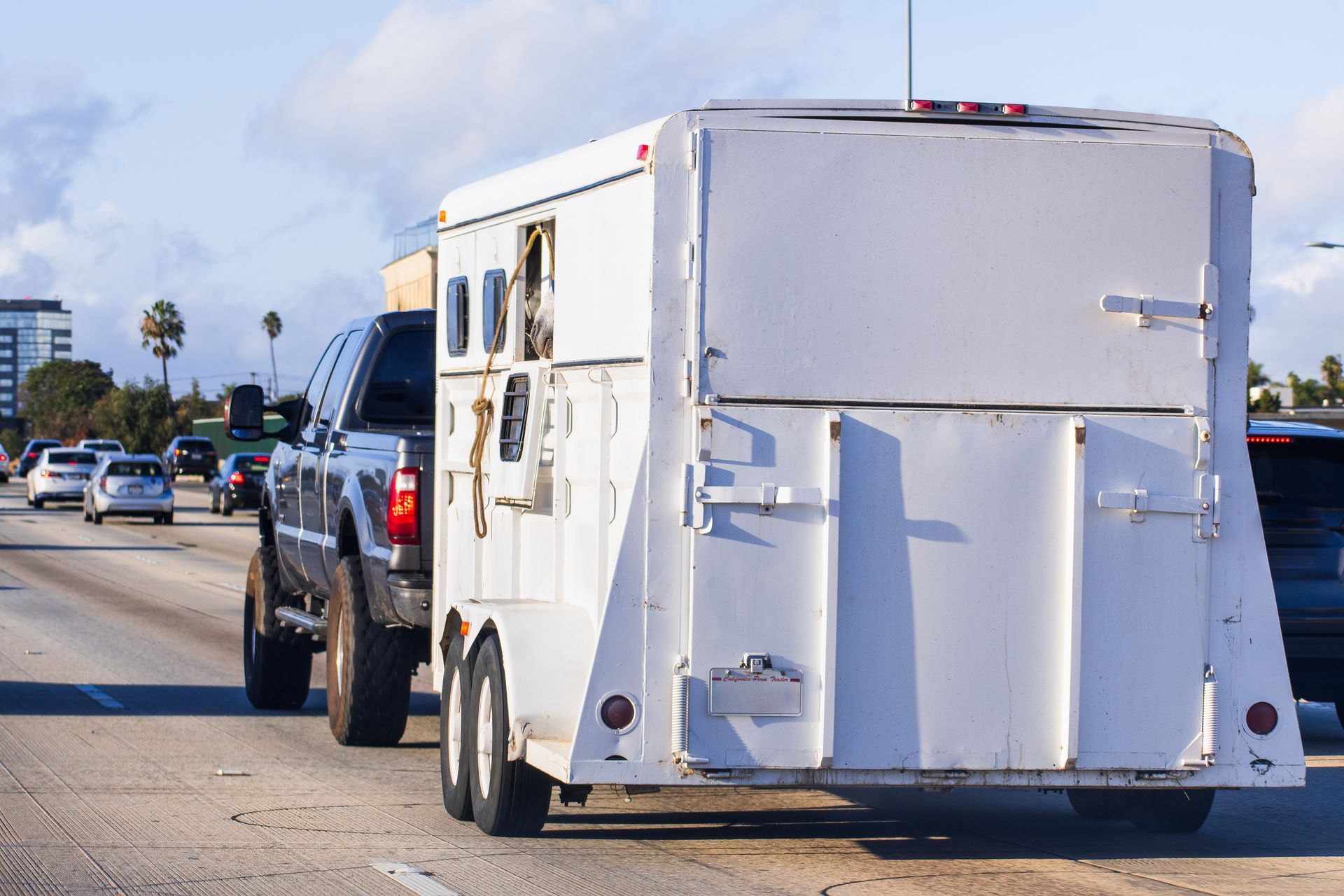
- Overheating begins during highway driving or towing
- Cabin heat suddenly becomes weak or inconsistent
- Steam, puddles, or a sweet smell appear
- Coolant was recently drained or topped off
- The temperature gauge rises rapidly after startup
What a Complete Cooling System Inspection Includes
A careful inspection goes beyond checking the reservoir. We evaluate the cooling fans, pressure retention, coolant condition, radiator, thermostat behavior, and pump circulation as the symptoms require. An engine that has severely overheated often needs additional testing for combustion gases entering the coolant or other internal damage. Fixing an external leak without checking the engine afterward risks overlooking the consequences of the original event.
After repairs, proper filling and air bleeding restore coolant circulation. We verify operating temperature under the conditions that previously triggered the warning. Stable temperatures under normal driving conditions confirm the repair, not a gauge that looks normal for a minute in the parking lot.
Get Radiator and Cooling System Repair in Venice, FL, With Curry Truck & Auto
Curry Truck & Auto serves Venice, FL, at three locations. We investigate overheating, coolant loss, fan operation, and radiator concerns, then explain the repairs needed to restore normal engine temperatures.
Don't drive through another overheating warning, hoping the gauge will come back down.
Returning to Venice After Your Car Sat for the Summer? 7 Things to Check Before Driving It Every Day